Table Of Content
- Can the ship safely sail without stabilizers?
- Choosing a Suitable Ship Stabilization System for Your Vessel
- Which Cruise Ships Have the Best Stabilizers A Guide to Smooth Sailing
- The Future of Cruise Ship Stabilizers and the Evolution of Ship Stability Technology
- Comfy Green-Padded Stools and High-Top Tables at Crown & Fin Pub

To help reduce the impact of the waves, cruise ships are equipped with stabilizers. However, we can’t deny that they are the ones that see robust applications of this type of equipment because, for one, a cruise ship’s rolling motion can negatively impact its passengers’ experience. They work by extending fins or rotors beneath the waterline, which help to stabilize the ship and prevent it from rolling excessively from side to side. This helps to reduce the amount of motion that passengers feel while on board, making for a more comfortable and enjoyable cruise experience. However, the technology used is typically not the same as the gyroscopic stabilizers found on smaller boats and yachts. Cruise ships commonly use a different type of stabilizer, known as fin stabilizer.
Ice-ready stabilisers installed on Poseidon cruise ship - Riviera Maritime Media
Ice-ready stabilisers installed on Poseidon cruise ship.
Posted: Wed, 14 Aug 2019 00:52:34 GMT [source]
Can the ship safely sail without stabilizers?
Fin stabilizers are the most common type of stabilizer, but they are not as effective as rudder stabilizers or gyroscopic stabilizers. Gyroscopic stabilizers work by using a gyroscope to create a restoring moment. As the ship rolls, the gyroscope turns, creating a force that pushes the ship back upright.
Choosing a Suitable Ship Stabilization System for Your Vessel
Have you ever sipped a glass of wine on a boat, only to have the vessel’s rocking toss your drink? Enter gyroscopic stabilizers – the marvel of maritime technology that promises to make those unexpected spills a thing of the past. Quite well aware of the definition of Gross Tonnage (GRT is an unused term since 1982). I was using the tonnage of the various ships to delineate size, not weight, as the poster had said that the new, larger ships had a smaller draft. I'm not sure they will dampen rolling by 85%, that sounds like a manufacturer's claim, but they can be very effective in most conditions.
Which Cruise Ships Have the Best Stabilizers A Guide to Smooth Sailing
Cruise ship stabilizers are an essential safety and comfort feature on modern cruise ships. They help to reduce the roll of the ship, which makes for a more comfortable ride for passengers and reduces the risk of accidents. As the technology continues to improve, cruise ship stabilizers will become even more efficient and effective, making cruising a more enjoyable experience for everyone. One of the key benefits of cruise ship stabilizers is their ability to increase the ship’s stability, ensuring a steady platform even in rough seas. This stability not only enhances passenger comfort but also allows for the smooth operation of various onboard activities, such as dining, entertainment, and relaxation.
What are the advantages of gyroscopic stabilizers?
The stability of these floating cities is vital for the safety and well-being of everyone on board. Overall, the implementation of stabilization systems on cruise ships significantly enhances the comfort and safety of passengers. By minimizing the rolling and pitching motion, these systems ensure a smoother sail, reduce the risk of seasickness, and provide a more enjoyable experience for everyone on board. Overall, ship design and stability factors work in tandem to ensure that a cruise ship remains stable and safe throughout its journeys.
Modern cruise ships often combine both active and passive stabilization systems to provide optimal stability. The active systems can quickly respond to changing sea conditions, while the passive systems provide continuous stabilization without relying on external power sources. In summary, ballast plays a crucial role in managing the stability, trim, and structural integrity of a cruise ship. By adjusting the ship’s weight distribution and center of gravity, ballast ensures that the ship remains stable, maneuverable, and capable of withstanding the forces of the ocean. It is a vital component of ship design and operation, contributing to a safe and enjoyable cruising experience.
You might not realize it, but stability on cruise ships is absolutely crucial for your comfort and safety. By controlling the rolling motion, they allow for more precise steering and navigation, enabling captains and crew members to maintain better control of the vessel. These inspections assess the condition and performance of the stabilizers, ensuring that they meet the required standards. Cruise ship operators work closely with classification societies to address any identified non-conformities promptly.
The Future of Cruise Ship Stabilizers and the Evolution of Ship Stability Technology
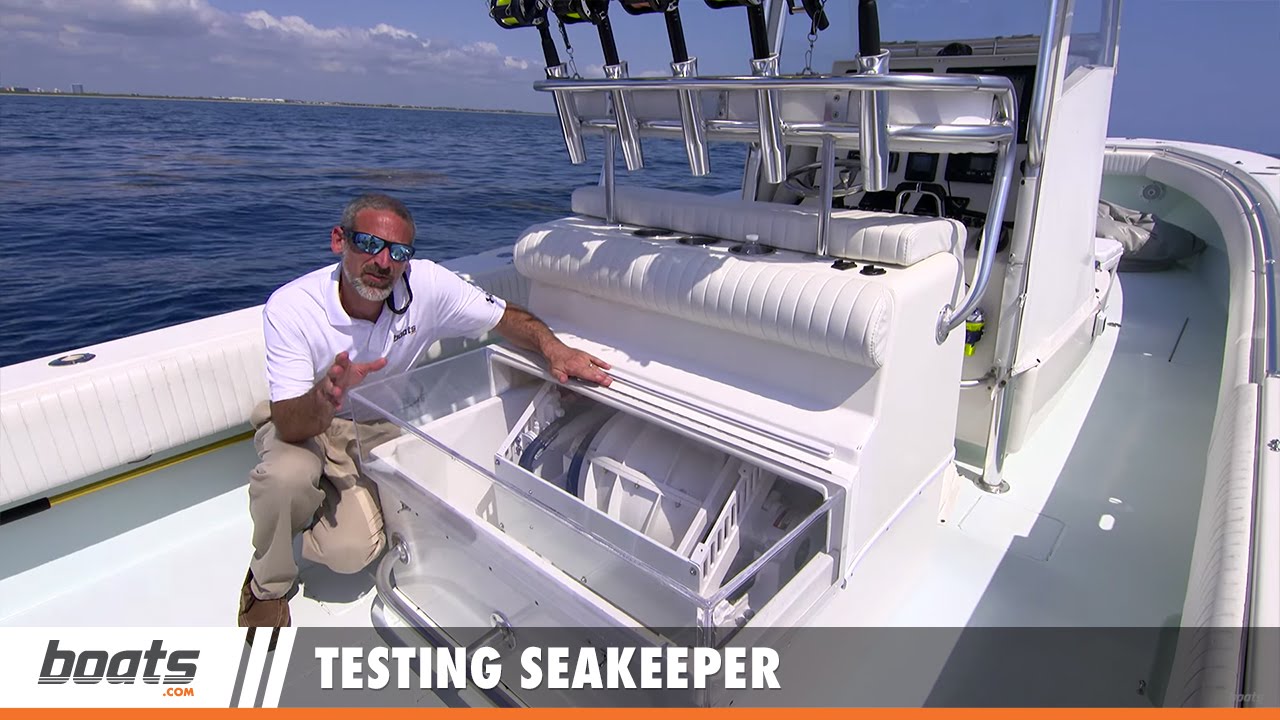
Also, these are retractable stabilizers that only come out when a surge or swell occurs. If stabilization fails, the passengers will experience a lot of rolling and pitching motion, making them uncomfortable. Enjoying champagne onboard will become tough, and the onboard activities will become more challenging. Most modern cruise lines, like Royal Caribbean, Carnival, Celebrity, and Disney, use two stabilizers on each side of the cruise ship. But few big ships like Cunard Line’s Queen, Royal Caribbean Freedom and Oasis use four stabilizers, two on each side. The passive stabilizers increase the hydrodynamic resistance while rolling dampens rolls and keeps the ship upright.
As someone posted, heading into the seas at a slight angle will reduce pitching, but increase rolling, which is not only controllable with stabilizers, but much easier motion for passengers. Cruise ships carry very little ballast water (it costs money to carry sea water around), so changes in ballast conditions aren't a major option. Not to lessen your experience with the 10 to 14 ft seas, in the reality of the high seas, that height isn't all that uncommon. I've been on cruises where the seas were 45ft and higher with force 10 gale winds. Small ships such as ones like Seabourn and Silversea, don't handle high seas very nicely.
Even with stabilizers, they tend to have more movement, but the navigator and captian will try their best to steer out of rought waters if they can. Additionally, the movement of water within the chambers can generate some noise, which may be noticeable in certain areas of the ship. However, advancements in design and technology have helped to minimize this noise, ensuring a comfortable environment for passengers.
By adhering to international safety standards, cruise ships are designed to withstand rough seas and provide a stable sailing experience for passengers. Cruise ship stabilizers bring a multitude of advantages to enhance your sailing experience. These innovative systems play a crucial role in reducing the ship’s motion, providing a smoother and more comfortable journey for passengers. By countering the forces that cause rolling and pitching, stabilizers help to minimize seasickness and improve overall passenger satisfaction. In conclusion, stabilizers are essential components of modern cruise ships, providing stability, comfort, and safety. They enable passengers and crew members to enjoy a smooth and pleasant sailing experience, even in challenging sea conditions.
Most of the famous cruise ships use active stabilizers to counter the force. This type of stabilizer uses advanced technology like gyroscopes, sensors or water tanks to detect the right angle and counter the force by adjusting the wings. These motions help the ship stay stable and in equilibrium by cutting through the water and creating drag, no matter what the movement of the water will bring. Heavy storms are possible, but cruise ships are so elegantly and maturely designed that they know just what to do.
MS Roald Amundsen Polar Cruise Ship - Ship Technology
MS Roald Amundsen Polar Cruise Ship.
Posted: Fri, 11 Dec 2020 08:00:00 GMT [source]
By minimizing roll motion, stabilizers enable the ship to maintain a more efficient and steady course, ultimately leading to fuel savings. Passengers benefit from reduced motion, enhanced comfort, improved sleep quality, and optimal utilization of onboard facilities. Stabilizers also ensure the safety of passengers and crew members, allowing for seamless operation and enjoyable navigation through various sea conditions. Moreover, the incorporation of stabilizers contributes to increased fuel efficiency, resulting in lower operating costs and a reduced environmental footprint.
Additionally, stabilizers play a vital role in maintaining the stability and safety of the ship. By reducing the rolling motion, they help prevent objects from sliding or falling, reducing the risk of accidents and injuries on board. This is especially important during rough weather conditions when the ship is more prone to significant rolling. In this article, we will delve deeper into the world of stabilizers and explore their important role in cruise ship operations. We will uncover the science behind how they work, the various types available, and the benefits they provide to passengers and crew members alike.


No comments:
Post a Comment